Understanding Clinical Rotations
Clinical rotations are vital for healthcare students, providing hands-on experience under the guidance of experienced preceptors. In Ohio, students in nurse practitioner (NP), physician assistant (PA), and certified registered nurse anesthetist (CRNA) programs need to secure preceptors to complete their clinical education requirements. These rotations allow students to apply theoretical knowledge in real-world settings, gain confidence, and develop the skills necessary to work effectively within the healthcare system. While students may sometimes feel overwhelmed by the process, a structured approach can significantly ease the path toward completion of their clinical training.
Researching Potential Preceptors
Start your search by researching local healthcare facilities. Consider the following types of organizations:
- Hospitals
- Clinics
- Private practices
- Academic institutions
Look for facilities that specialize in your area of interest within healthcare, as this alignment can enrich your learning experience. Make a list of several facilities to explore further. Check their websites, noting any information about their preceptor programs, and whether they actively accept students. Keep an eye out for any specific areas of expertise or patient populations that interest you.
Additionally, you might want to look into smaller community health centers which can provide unique exposure to diverse patient cases. As you gather data on potential preceptors, consider reaching out to current or former students who completed their rotations at these locations. Their insights can inform your choice and help you understand the support and learning environment at various sites.
Networking with Professionals
Networking plays a crucial role in finding a preceptor. Join local professional organizations or attend healthcare seminars and workshops. This provides opportunities to meet potential preceptors and discuss their willingness to take students. Networking allows you to establish relationships and gain insights into the clinical environment. Utilizing platforms like LinkedIn is also beneficial; connect with healthcare professionals in Ohio by searching for groups related to your field.
When attending events, prepare a brief introduction about yourself that includes your goals and aspirations in your healthcare career. Don't shy away from asking questions about their practice and approach to student mentorship. Collect business cards and follow up with personal messages expressing appreciation for their time and reiterating your interest, which leaves a positive impression.
Utilizing Online Resources
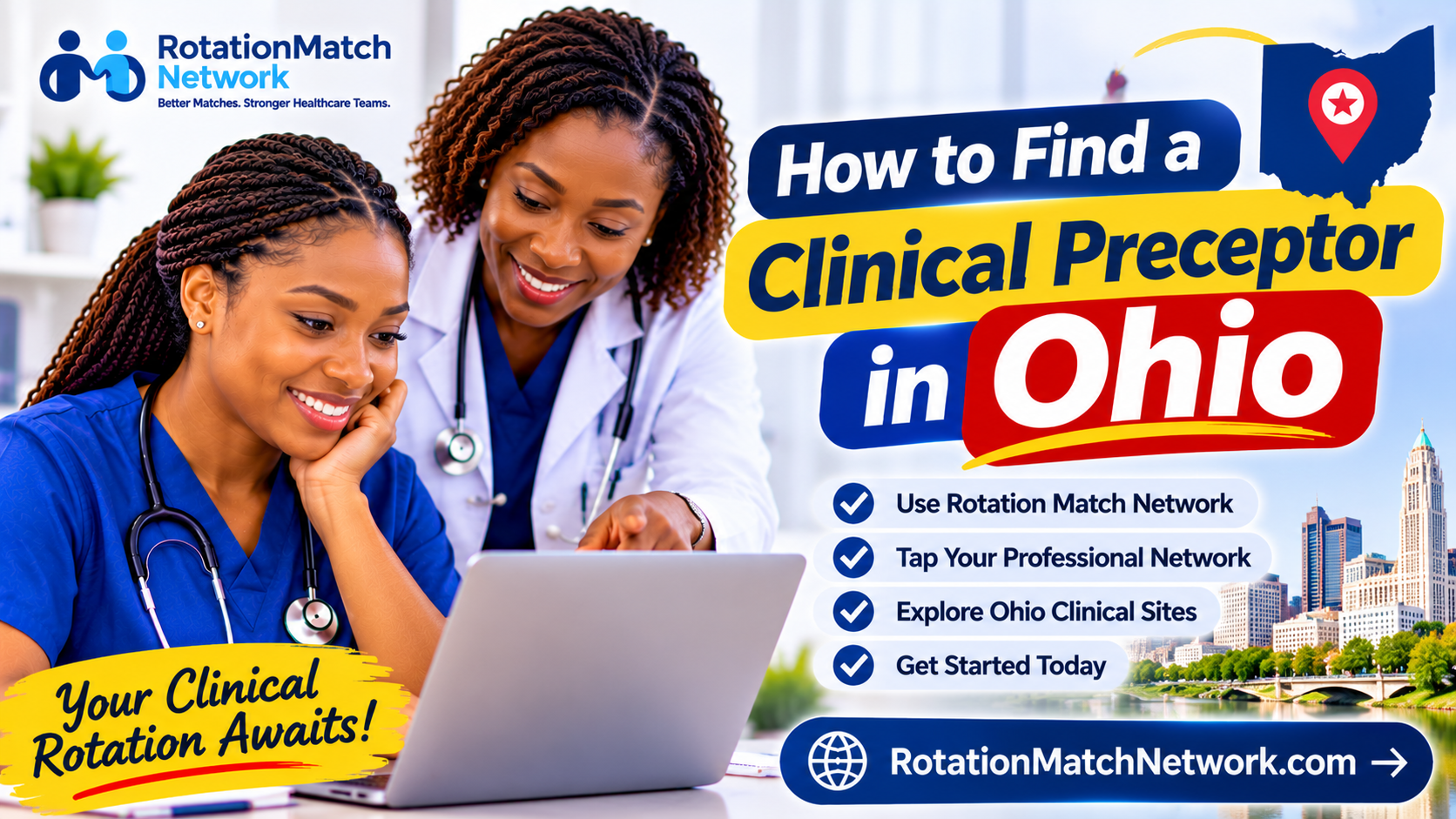
Online platforms like RotationMatch Network can be valuable for students seeking preceptors. You can search for available preceptors in your desired rotation area and submit your applications. The platform helps streamline the process, making it easier for students to manage the paperwork required for rotations. Make a habit of checking the platform regularly as new opportunities may arise frequently.
To maximize your search, use specific keywords relevant to your objectives. Take the time to filter listings according to your preferred rotation specialty or setting. Joining forums or discussion boards associated with these platforms can also offer insights or recommendations from peers who have successfully secured placements.
Preparing Your Application
When you find potential preceptors, prepare a professional application. Include:
- A cover letter introducing yourself and your goals
- A current résumé or CV
- Details of your academic background and clinical interests
A well-prepared application will stand out and showcase your dedication to the rotation. When drafting your cover letter, personalize it for each preceptor. Reference your understanding of their practice and express what specifically draws you to that opportunity. This demonstrates your genuine interest and effort.
In your résumé, highlight experiences that complement your clinical aspirations, such as volunteer work or relevant coursework. Consider creating a concise list of skills that relate to the rotation's focus, which can serve as talking points during your initial discussions with preceptor candidates.
Communicating with Preceptors
Effective communication is key when reaching out to potential preceptors. Be polite and professional in your correspondence. Clearly state your goals and the number of hours required for your rotation. If possible, request a brief meeting or phone call to discuss further details. It’s important to be sincere about your qualifications while also being open to feedback. Be prepared to ask questions about their expectations and available support during the rotation.
When using email, ensure your subject line is clear and professional to capture attention. Structuring your email with a brief introduction, your reason for contacting, and a closing statement inviting further dialogue shows respect for the preceptor's time and fosters a positive impression. Be patient, as they may have busy schedules, but don’t forget to follow up if you haven’t received a response after a reasonable period.
Understanding the Requirements
Research the specific requirements for clinical rotations in Ohio. Each program may have different rules regarding documentation or preceptor qualifications. Confirm these details before initiating contact with potential preceptors. Some programs may require specific certifications, while others could have prerequisites such as student evaluations or clearance checks.
Prepare a checklist of requirements that includes:
- Necessary documentation (health records, background checks)
- Preceptor qualifications (licensure, experience)
- Specific forms or applications needed by your program
Staying organized and proactive in understanding these requirements will save time and minimize frustration as you navigate various administrative processes related to your clinical rotations.
Follow-Up After Initial Contact
Don't hesitate to follow up with preceptors after your initial communication if you haven't received a response. A polite follow-up can demonstrate your enthusiasm and commitment to securing a rotation. A well-timed follow-up can serve as an important reminder without being intrusive.
Consider sending a tailored follow-up message, reinforcing your interest in their program or expertise. Maintain a professional tone and express any additional questions or information you may have thought of that could be beneficial for both parties. It shows that you are proactive and truly motivated.
Preparing for Your Rotation
Once you secure a preceptor, preparation is essential for maximizing your rotation experience. Be proactive by familiarizing yourself with the preceptor's practice. Research the types of cases they handle, their preferred methodologies, and any relevant literature or resources.
Consider the following steps to prepare effectively:
- Set clear objectives for what you hope to achieve during your time with the preceptor.
- Gather any materials or resources that can aid your learning, such as articles or textbooks relevant to your rotation.
- Schedule a meeting with your preceptor before the start of your rotation to discuss your goals and expectations.
This prep work will offer you a solid foundation and help you engage meaningfully throughout your rotation.
Conclusion
Finding a clinical preceptor in Ohio involves research, networking, and effective communication. By using available resources and being proactive, students can enhance their chances of securing valuable clinical experiences. For additional support in managing your rotation process, visit RotationMatch Network for tools and resources.
Related articles
- Finding Psychiatry Preceptors in Texas
- Effective Emails to Potential Preceptors
- Steps to Becoming a Clinical Preceptor
Looking for a clinical preceptor?
RotationMatch Network helps NP, PA and CRNA students find preceptors and manage rotation paperwork in one place. Create your student account or browse preceptors.