
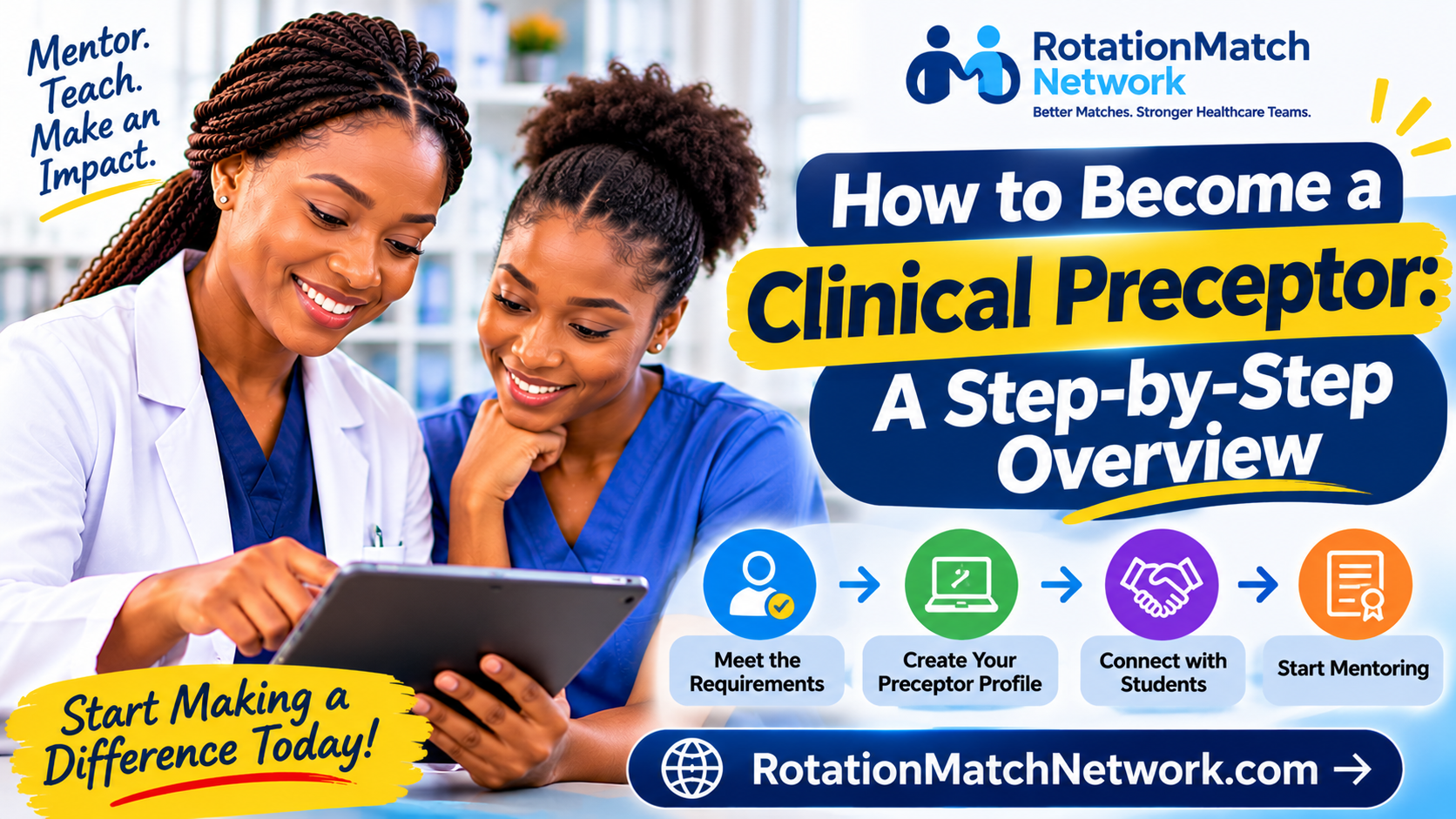
Understanding the Role of a Clinical Preceptor
A clinical preceptor plays a crucial role in training the next generation of healthcare professionals. As a mentor, you guide students through their practical experiences, ensuring they gain the necessary skills and knowledge. A preceptor's responsibilities include teaching, assessing performance, and providing valuable feedback. In essence, preceptors bridge the gap between academic education and real-world clinical practice. This mentorship is vital not only for the students' professional development but also for the quality of care they will one day provide to patients.
Step 1: Check Eligibility Requirements
Before you can become a preceptor, you need to ensure you meet specific eligibility criteria. This typically includes being a licensed professional in your field, holding a minimum of a Master’s degree, and having a certain amount of clinical experience. Reviewing the requirements from your institution or the program you'll be affiliated with is vital. You might also need to consider the following:
- Confirm any specialized training you may need to complete.
- Identify if there are preferences for certain specialties or areas of practice.
- Ensure your professional license is up to date and free of any restrictions.
Keep a checklist of these requirements to track your progress as you prepare to take on the role of a preceptor.
Step 2: Connect with Educational Institutions
Contact local healthcare educational institutions to express your interest in becoming a preceptor. Many programs seek preceptors to provide relevant experiences for their students. Establishing a connection can help clear up any additional prerequisites they may have. Consider reaching out to the following:
- Your alma mater, as they may have programs looking for preceptors.
- Local colleges or universities that have health profession programs.
- Community health organizations that may partner with educational institutions.
You can also consider reaching out to Rotation Match Network for support in connecting with students. Building relationships with these institutions can lead to valuable opportunities to mentor and guide students in their clinical rotations.
Step 3: Complete Onboarding Paperwork
Once you’ve established your interest, you’ll likely need to complete some onboarding paperwork. This might include forms related to your credentials, proof of licensure, and background checks. Completing this step is essential as it helps ensure compliance with educational standards and regulations. To streamline this process, you might want to:
- Gather all required documentation ahead of time.
- Be prepared to submit forms electronically or in-person as per the institution's preference.
- Understand the timelines for submission to ensure you meet all deadlines.
Being organized can significantly expedite your onboarding, allowing you to transition smoothly into your preceptor role.
Step 4: Attend Orientation and Training Sessions
Many educational institutions provide orientation and training sessions for new preceptors. These sessions can help you understand the expectations of the role, how to evaluate students, and effective teaching strategies. Taking advantage of these resources can help you prepare for your role and improve the learning experience for your students. During these sessions, you can expect to:
- Receive information on the curriculum and educational goals for students.
- Engage in workshops that cover instructional techniques and evaluation methods.
- Network with other experienced preceptors and share best practices.
By actively participating, you not only learn essential skills but also build a supportive network which can be invaluable as you embark on your preceptor journey.
Step 5: Begin Mentoring Students
Once you’ve completed the necessary steps, you’ll begin mentoring students. Effective communication is key as you guide them through their rotations. Create a supportive learning environment where students feel comfortable asking questions and engaging in discussions. To facilitate this, consider implementing the following:
- Schedule regular one-on-one meetings to discuss their experiences and concerns.
- Encourage students to prepare questions in advance for your discussions.
- Create an open-door policy to allow students to approach you freely with queries or for guidance.
Regular check-ins can help you assess their progress and provide constructive feedback. By establishing clear expectations and maintaining an approachable demeanor, you foster a healthy learning atmosphere conducive to professional development.
Step 6: Evaluate and Provide Feedback
As a preceptor, part of your role involves evaluating students’ performance. Use evaluations to provide targeted feedback that can help students grow. Offering insights on areas for improvement alongside positive reinforcement of their strengths can enhance their learning experience. When conducting evaluations, consider using the following strategies:
- Create a structured rubric that outlines key competencies and learning objectives.
- Schedule both formal and informal evaluations throughout the rotation.
- Encourage self-assessment by asking students to evaluate their own performances.
This comprehensive approach not only supports their growth but also promotes self-reflection and critical thinking skills, essential for their future careers.
Building Rapport with Students
Developing a strong rapport with your students can significantly enhance their learning experience. Building this connection goes beyond academic or technical discussions. Consider the following ways to foster a meaningful relationship:
- Show genuine interest in their personal and professional aspirations.
- Share your own experiences, including challenges you’ve faced in your career.
- Encourage them to engage in extracurricular activities that enhance their skills.
Creating a rapport not only helps students feel valued but also promotes an engaging and motivating learning atmosphere.
Conclusion
Becoming a clinical preceptor is a rewarding journey that shapes the future of healthcare education. By following these steps—confirming your eligibility, connecting with institutions, completing onboarding paperwork, attending orientation, mentoring students, and providing evaluations—you can make a meaningful impact on students’ professional development. Remember to continually refine your mentoring skills and seek feedback from peers as you grow in your role. For those interested in further details on connecting with students or managing onboarding documents, resources are available at Rotation Match Network.
Related articles
- Are You Ready to Be a Clinical Preceptor?
- Giving Constructive Feedback to Clinical Students
- 10 Things Every New Clinical Preceptor Should Know Before Taking Their First Student
Thinking about precepting?
Join RotationMatch Network to receive organized rotation requests from students and manage onboarding documents in one place. Become a preceptor.