
Introduction
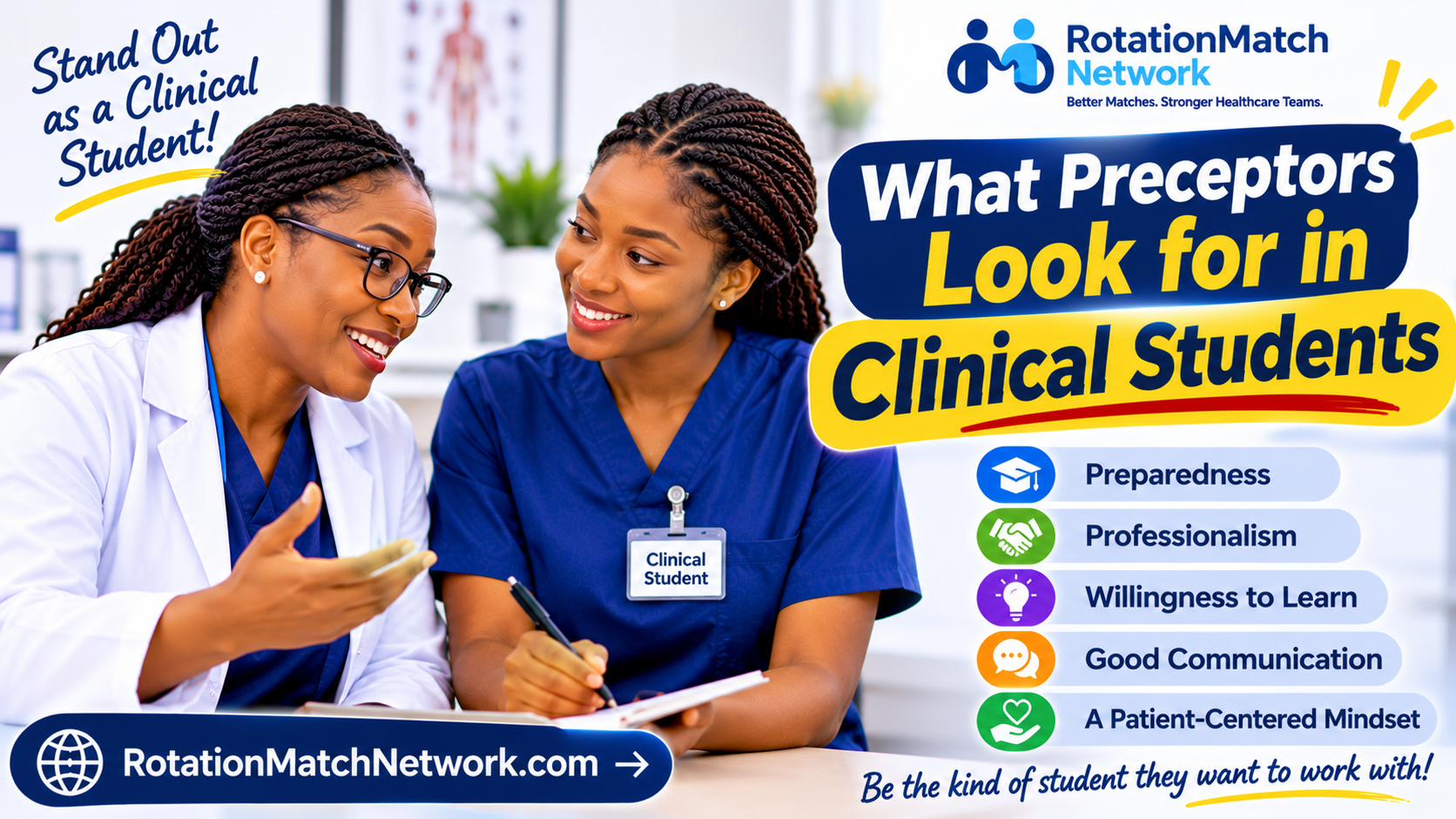
Finding a preceptor for clinical rotations can be challenging for healthcare students. One way to improve your chances is to understand what preceptors are generally looking for in a student. By demonstrating the right qualities, you can make a positive impression and potentially secure a more fruitful rotation experience. This article will explore the qualities that can set you apart, ensuring your time is productive and beneficial for both you and your preceptor.
Professionalism
Preceptors highly value professionalism, which encompasses a range of behaviors and attitudes. This means being punctual, dressing appropriately, and being respectful to everyone in the healthcare setting. A professional demeanor showcases your commitment to the profession and your readiness to learn in a clinical environment. Here are some practical tips to enhance your professionalism:
- Punctuality: Always arrive on time or a few minutes early for your shifts. This shows respect for your preceptor's time and sets a positive tone for your day.
- Dress Code: Familiarize yourself with the dress code of the institution. Wearing clean, neat, and appropriate attire will help you present yourself well in a clinical setting.
- Respectful Behavior: Treat everyone with respect, from cleaning staff to physicians. A courteous approach fosters a collaborative and positive learning environment.
- Accountability: Take responsibility for your actions and commitments. If you make a mistake, acknowledge it and learn from the experience.
Preparation and Organization
Arriving prepared for your rotation is crucial. Preceptors appreciate students who take the initiative to review relevant material and come equipped with questions. Being organized also means managing your paperwork and rotation schedules effectively, which reduces friction and allows for a smoother learning experience. Consider these strategies to enhance your preparation:
- Review Clinical Material: Familiarize yourself with topics that will be relevant during your rotation. This could include reading up on procedures or understanding the patient population you will encounter.
- Prepare Questions: Develop a list of thoughtful questions you can ask your preceptor. This not only demonstrates your engagement but also provides valuable insights to enhance your learning.
- Rotation Documentation: Keep your paperwork, including schedules and any requirements, organized in a dedicated folder or digital format for easy access.
- Reflective Practice: After each day, spend some time reflecting on what you learned and areas where you can improve. This practice fosters continual growth and helps solidify your learning.
Communication Skills
Effective communication is essential in healthcare settings. Preceptors look for students who can clearly articulate their thoughts and questions. Actively listening to feedback and engaging in discussions demonstrates that you are eager to learn and improve. Additionally, maintaining a positive and open attitude fosters a productive learning environment. Here are ways to enhance your communication skills:
- Assertive Communication: Practice expressing your thoughts clearly without being aggressive. Use “I” statements to convey your perspective respectfully.
- Active Listening: Show you are tuned into the conversation by nodding, making eye contact, and paraphrasing what your preceptor says to confirm understanding.
- Feedback Utilization: When receiving feedback, approach it with an open mind. Demonstrating that you can incorporate suggestions into your practice is key to professional development.
- Empathy in Communication: Being able to communicate with empathy, understanding what others may be feeling, can enhance your interactions and foster better teamwork.
Adaptability and Willingness to Learn
Healthcare environments can change rapidly, and preceptors value students who can adapt accordingly. Being open to new experiences and willing to learn demonstrates resilience. This may involve taking on different responsibilities or adjusting to the workflow of the clinical setting. Consider these approaches to enhance your adaptability:
- Flexibility in Responsibilities: Be willing to step out of your comfort zone and take on tasks beyond your usual duties. This will showcase your eagerness to learn and contribute.
- Open-Mindedness: Welcome feedback and new approaches. Understanding that not every experience will be the same will help you adjust accordingly.
- Collaboration: Work closely with your colleagues to learn from their experiences. Each team member's unique perspective can enhance your ability to adapt.
- Self-Reflection: After experiences that challenge you, take time to reflect on what worked, what didn't, and how you can adjust your approach in the future.
Teamwork and Collaboration
Healthcare is a team-oriented field, and your ability to work collaboratively with others is key. Preceptors often look for students who can effectively integrate into the team, support fellow staff members, and contribute to group efforts. This collaborative spirit creates a supportive learning environment and enhances patient care. Here are ways to improve your teamwork skills:
- Active Participation: Engage in team meetings and discussions. Offer your thoughts when appropriate, and do not hesitate to ask questions that can enhance collective understanding.
- Support Your Team: Be proactive in offering help to colleagues who may be overwhelmed. Acts of kindness and readiness to assist can reflect positively on your character.
- Sharing Knowledge: If you have insights or knowledge that could benefit the team, share it. This can create opportunities for collaborative learning.
- Conflict Resolution: If conflicts arise, approach them calmly and thoughtfully. Focus on finding common ground rather than assigning blame, which fosters a harmonious working environment.
Critical Thinking and Problem Solving
Demonstrating critical thinking abilities is important for success in clinical rotations. Preceptors appreciate students who can analyze situations, assess information, and propose reasonable solutions or ideas. Engaging in reflective thinking also indicates that you are taking your learning seriously and striving to meet professional standards. Ways to sharpen your critical thinking skills include:
- Situation Analysis: When faced with a clinical scenario, take time to analyze the situation thoroughly. Consider all available data before reaching conclusions.
- Proposing Solutions: Don’t just identify problems—think critically about how to address them. Making reasonable suggestions shows initiative and dedication.
- Reflective Journals: Maintain a journal of your experiences and the thought processes behind your decisions. This can facilitate deeper understanding and learning.
- Coding Clinical Problems: Break down complex scenarios into smaller, manageable parts to help identify essential information and potential solutions effectively.
Conclusion
Understanding what preceptors look for in clinical students can greatly enhance your readiness for rotations. By embodying professionalism, effective communication, adaptability, teamwork, and critical thinking, you can make a lasting impression. Consider using resources like the RotationMatch Network to find preceptors who align with your professional goals. This can make your search for a rotation more effective and organized, ultimately contributing to a successful learning journey in your healthcare career.
Related articles
- Key Skills Gained from Clinical Rotations
- Advantages of Precepting NP and PA Students
- Giving Constructive Feedback to Clinical Students
Thinking about precepting?
Join RotationMatch Network to receive organized rotation requests from students and manage onboarding documents in one place. Become a preceptor.